Judicial and Legal Reforms Outlined in the Presidential Address: The Unity of Theory and Practice
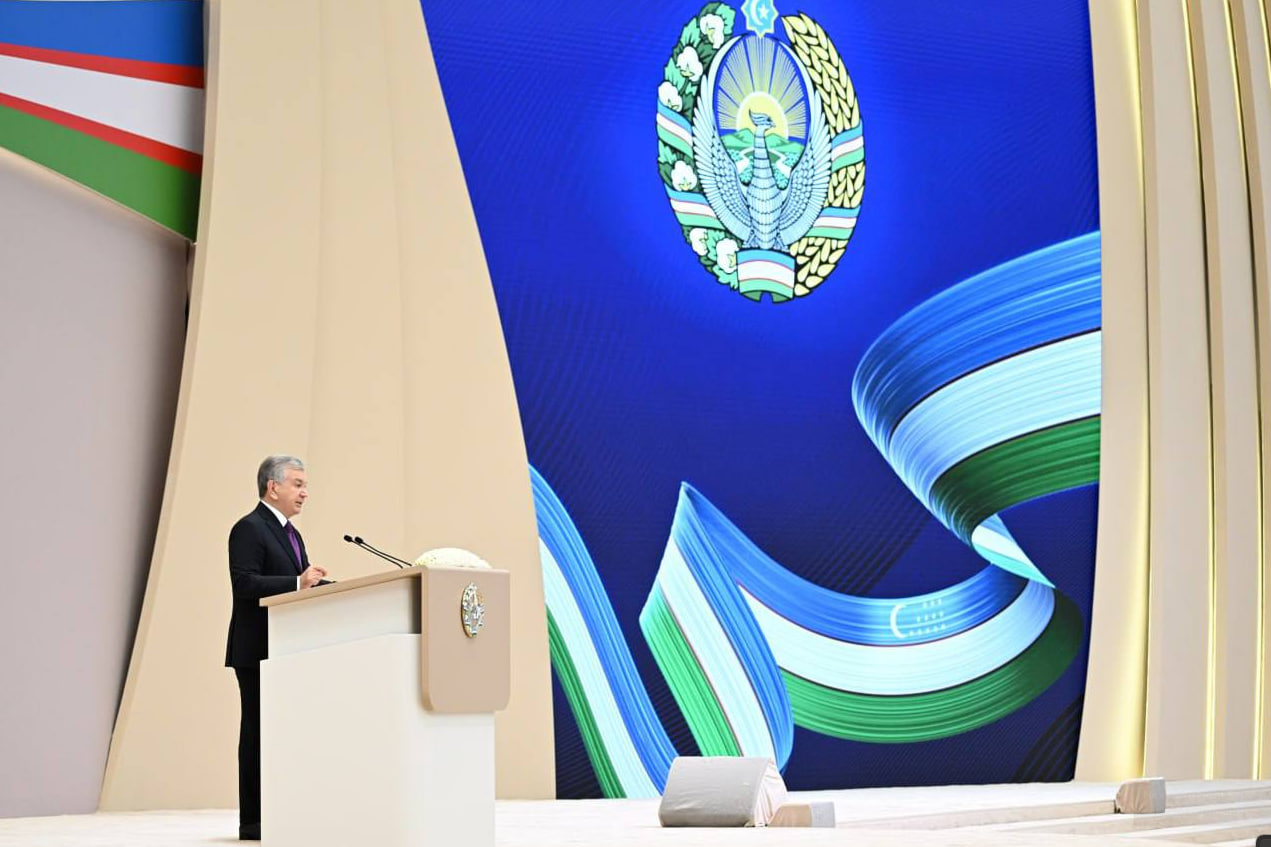
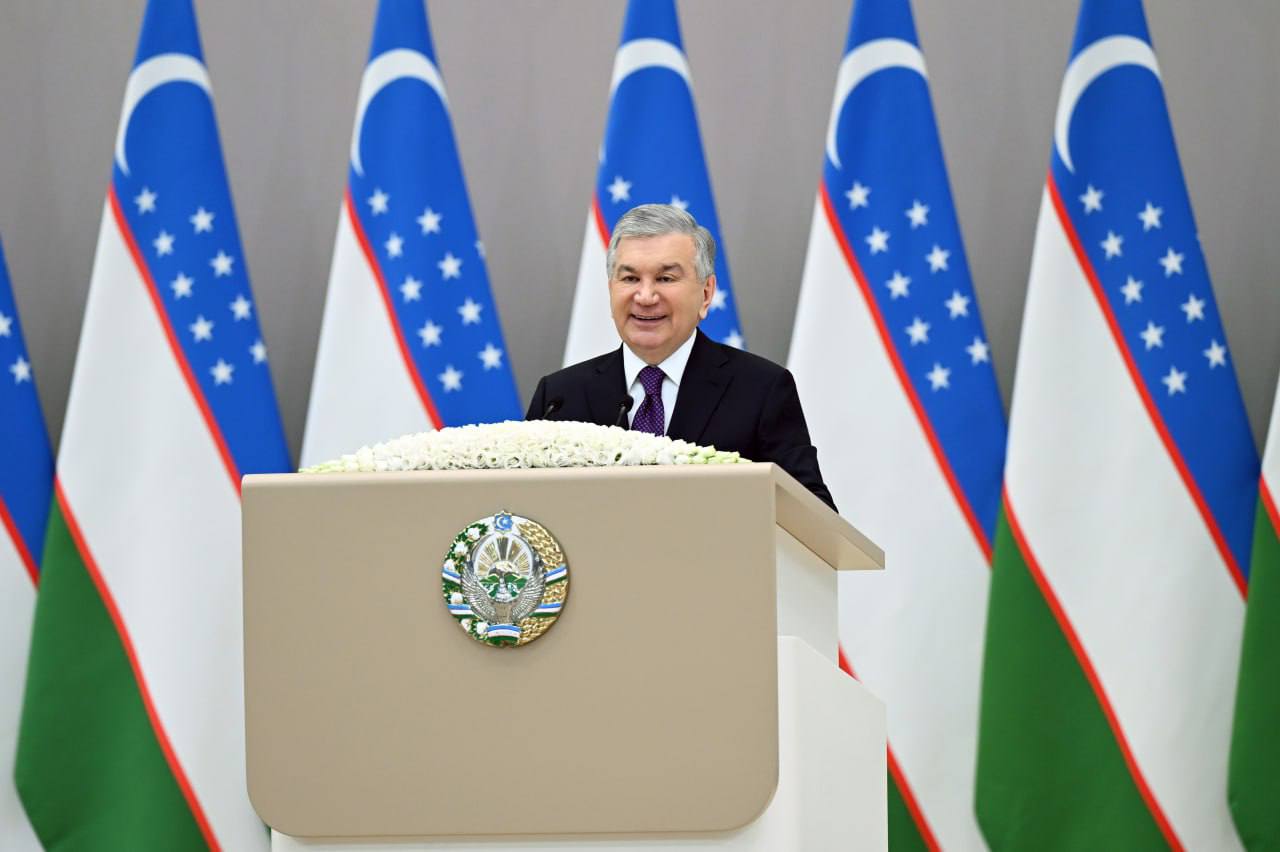
In recent years, reforming the judicial and legal system has been regarded as one of the most priority areas of state policy in the Republic of Uzbekistan. In the Address delivered by the President of the Republic of Uzbekistan to the Oliy Majlis and the people of Uzbekistan on 26 December 2025, particular attention was paid to strengthening the independence of the judiciary, ensuring reliable protection of citizens’ rights and freedoms, and further improving mechanisms for achieving fair justice.
The Address emphasized that the independence of the judiciary is one of the fundamental conditions for building a rule-of-law state. Preventing any unlawful interference in judicial activity, strengthening judges’ material and social guarantees, and ensuring transparency in the selection and appointment of judicial personnel were identified as key tasks. Special emphasis was placed on the need to pay close attention to professional knowledge, life experience, and high moral qualities when selecting candidates for judicial positions. Judicial independence must be ensured not only by law, but also through personal inviolability and professional stability.
The Presidential Address also stressed that access to courts for ordinary citizens must be simple, convenient, and fair. In this regard, simplifying judicial procedures, eliminating excessive bureaucratic barriers, and widely introducing digital technologies were identified as important priorities. In particular, improving the electronic justice system will help reduce case consideration periods, minimize the impact of the human factor, and ensure transparency, thereby increasing the effectiveness of the judicial and legal system and strengthening public trust in the courts.
In addition, the Address placed special emphasis on ensuring human rights and legitimate interests in criminal justice proceedings. Protecting individuals from unfounded criminal prosecution, fully guaranteeing the right to defence, and ensuring the supremacy of law in the evaluation of evidence were identified as pressing tasks. Strict adherence to the presumption of innocence and prevention of violations of the law at the investigation and trial stages constitute a significant responsibility for judges and law enforcement bodies. For trainees of the Academy of Justice, these issues will play a decisive role in their future professional activities.
The Presidential Address also highlighted the importance of ensuring effective judicial oversight over the activities of state bodies through civil and administrative proceedings, which requires strengthening the role of courts in protecting the rights of citizens and business entities.
In the activities of administrative courts, ensuring justice and legality in “state–citizen” relations and strengthening legal protection mechanisms through the annulment of unlawful decisions of state bodies were identified as priority tasks.
The Address emphasized that the training of qualified personnel is of decisive importance in reforming the judicial and legal system. In this context, it is essential to align the educational content of the Academy of Justice with modern requirements and to introduce practice-oriented training programmes. Special importance is attached to developing logical thinking, systemic analysis, lawful decision-making skills, and academic writing when preparing candidates for judicial positions.
The tasks set out in the President’s 2026 Address regarding the judicial and legal system represent a logical continuation of systemic reforms aimed at building a rule-of-law state and civil society. Strengthening judicial independence, ensuring reliable protection of human rights, and introducing transparent and effective judicial mechanisms remain among the most pressing challenges of today.
М.Жумаев, [23.01.2026 20:19]
Strengthening judicial independence, enhancing the professional and moral capacity of the judiciary, ensuring transparency and fairness in judicial proceedings, and increasing public trust in the courts were identified in the Address as key objectives. Particular attention was paid to ensuring reliable judicial protection of human rights and freedoms as a priority area of state policy, clearly reflecting the humanistic essence of judicial and legal reforms.
At the same time, ensuring the supremacy of law in criminal, civil, and administrative proceedings, strengthening procedural guarantees, and developing digital justice systems were identified as important tasks, expanding opportunities to achieve fair justice. This will contribute to reducing the negative impact of the human factor in judicial practice and improving the legality and soundness of judicial decisions.
From an academic perspective, the Presidential Address serves as an important guiding and theoretical-practical source for trainees of the Academy of Justice. It once again confirms the necessity for future judges, prosecutors, and law enforcement officers to deeply comprehend professional responsibility, loyalty to the law, and accountability for human destinies. Moreover, for the trainees of the Academy, the Address is not only a political document but also an important programme guideline to be followed in their future professional activities. Every specialist working in the judicial and legal sphere should thoroughly understand these priority directions and contribute to their practical implementation.
In conclusion, the tasks outlined in the Presidential Address concerning the judicial and legal system are aimed not only at improving the regulatory and legal framework, but also at elevating judicial culture, legal thinking, and public trust in justice to a new level. The consistent implementation of these priority directions will contribute to enhancing the effectiveness of the judicial and legal system, ensuring reliable protection of citizens’ rights and legitimate interests, and building a genuine rule-of-law state in Uzbekistan.
Lecturer, Department of Professional Skills
Academy of Justice, PhD
Najmidinova Nilufar Yuldoshovna
Boshqa yangiliklar
-
Appointment
-
Trainees of the Academy of Justice Visit the National Library

-
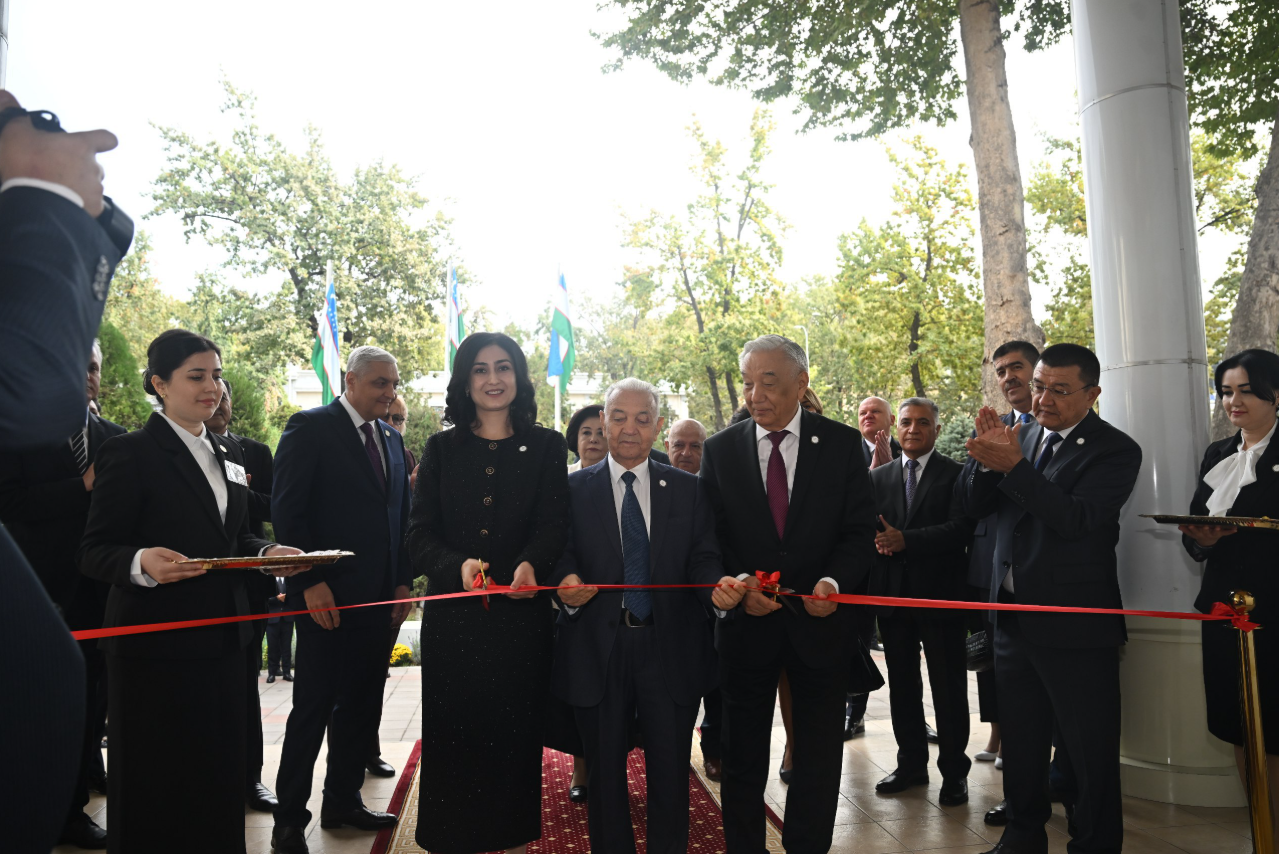
The Academy of Justice Has Officially Commenced Its Activities Today, the official opening ceremony of the Academy of Justice of the Republic of Uzbekistan was held
-
Ensuring Judicial Independence in Practice — a Requirement of the Times

-
2026 — “The Year of Developing the Mahalla and Advancing Society”: A New Stage of Reforms